Château des Poupets

East of France, north of Lyon

Beaujolais

A captivating wine region whose history and character are as rich as the wines it produces — administratively Burgundy, climatically closer to the Rhône, and entirely itself.
Terroir and geography

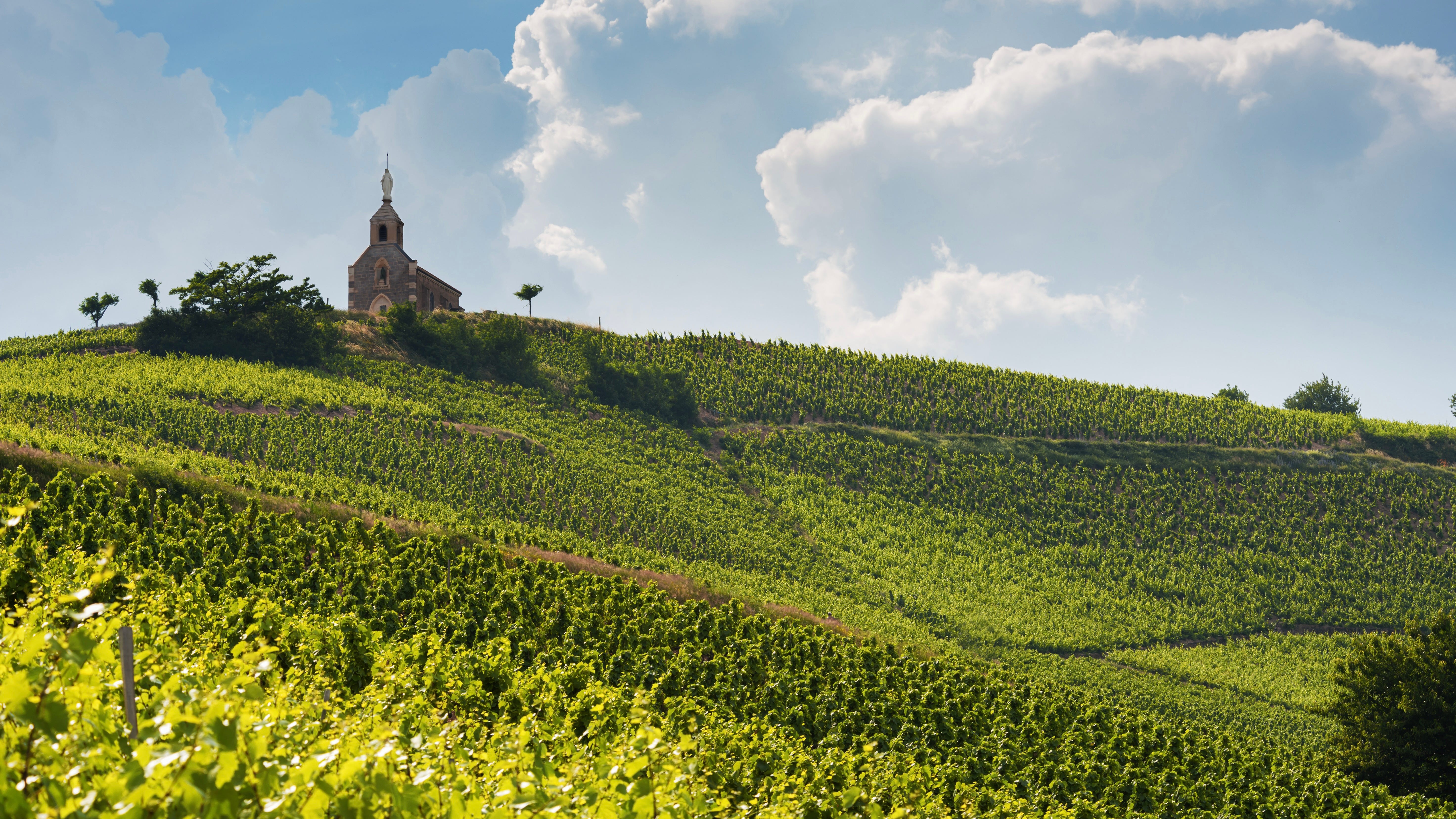
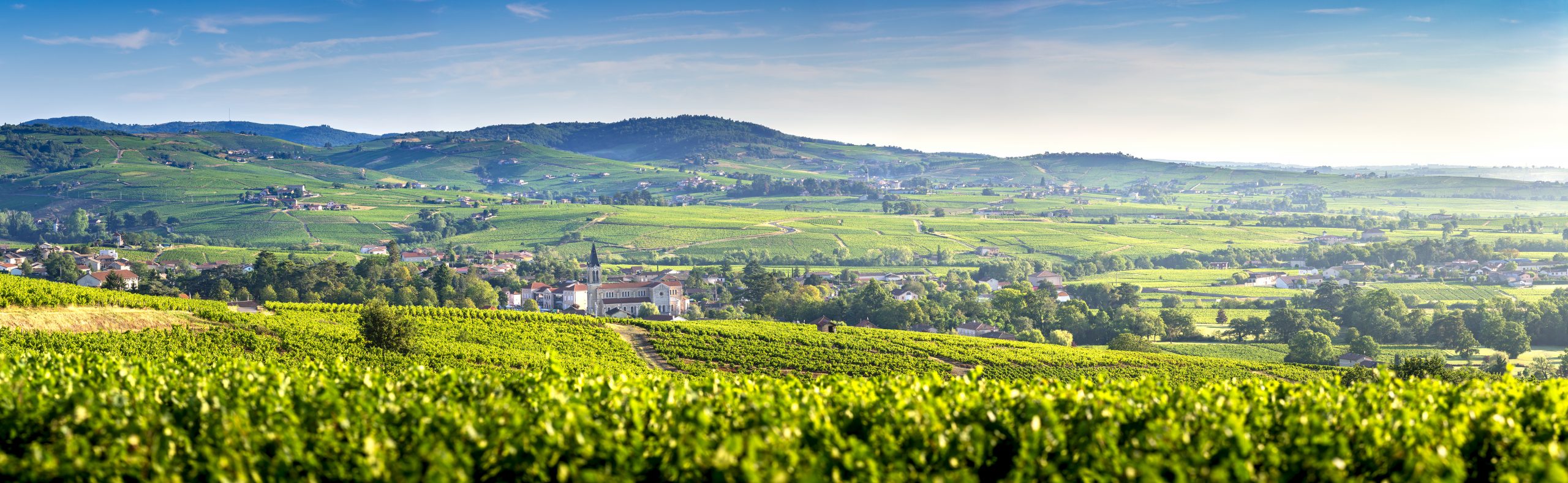
Beaujolais finds its home in eastern France, north of Lyon, at roughly 46.15°N 4.65°E. While often grouped with Burgundy, its climate is more akin to the Rhône Valley, marked by Mediterranean influences and the Massif Central to the west. Granite, schist, clay and sandstone create a tapestry of soils for wines of real identity.

Grapes and wine styles

Gamay represents around 98% of plantings. Thin-skinned and relatively low in tannin, it gives Beaujolais its light-bodied, fruit-forward nature, deep bluish-red color, high acidity and red-berry perfume. Styles run from youthful Beaujolais Nouveau through deeper Beaujolais-Villages to the ten Crus — Morgon, Fleurie, Moulin-à-Vent and, of course, Juliénas — which age beautifully.

Winemaking

Many Beaujolais wines are crafted by semi-carbonic maceration: whole clusters ferment in tanks as carbon dioxide triggers fermentation inside the berries. The result is light, fruity wine with gentle tannins. Nouveau is rapid; Crus take longer and gain complexity.

Cru Beaujolais

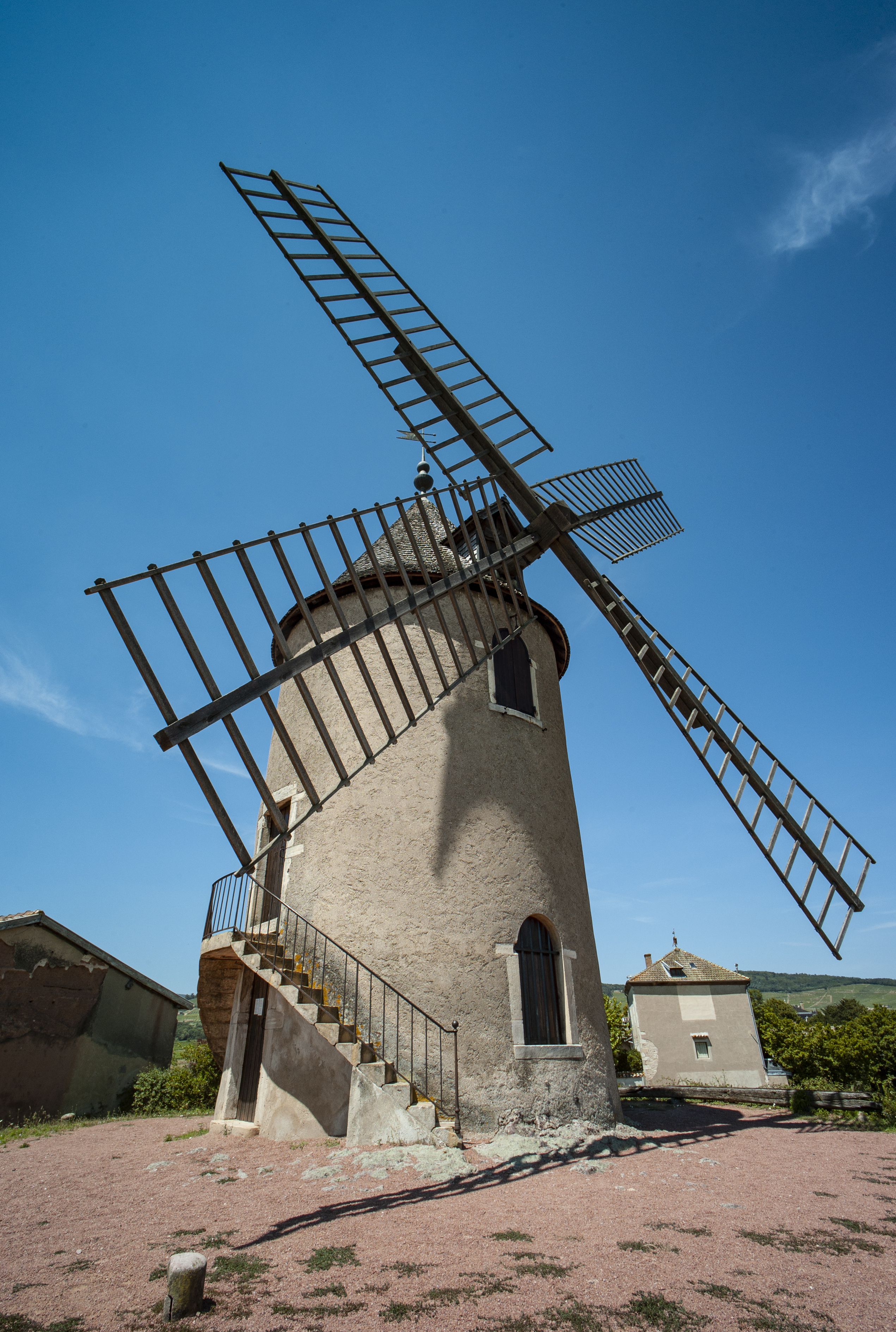
Unlike in Burgundy, a cru here names a designated area rather than a single vineyard. Fleurie offers elegance, Moulin-à-Vent power, Chiroubles high-altitude perfume, Morgon and Côte de Brouilly deeper color and richer texture. These wines are meant to be savored and aged.

Food and enjoyment

Nouveau and basic Beaujolais love salads and picnics. Beaujolais-Villages accompanies seafood and lighter meats. The Crus stand up to poultry and red meats. Tradition and innovation now live side by side, with more producers bottling single parcels and terroir-driven wines.