
Château des Poupets

From the estate

Beaujolais Nouveau, beyond the party

One night each November, Beaujolais becomes a global toast. Behind the banners sits a young Gamay — and a region that also makes wines worth keeping.

Published 10 June 2026

The third Thursday of November

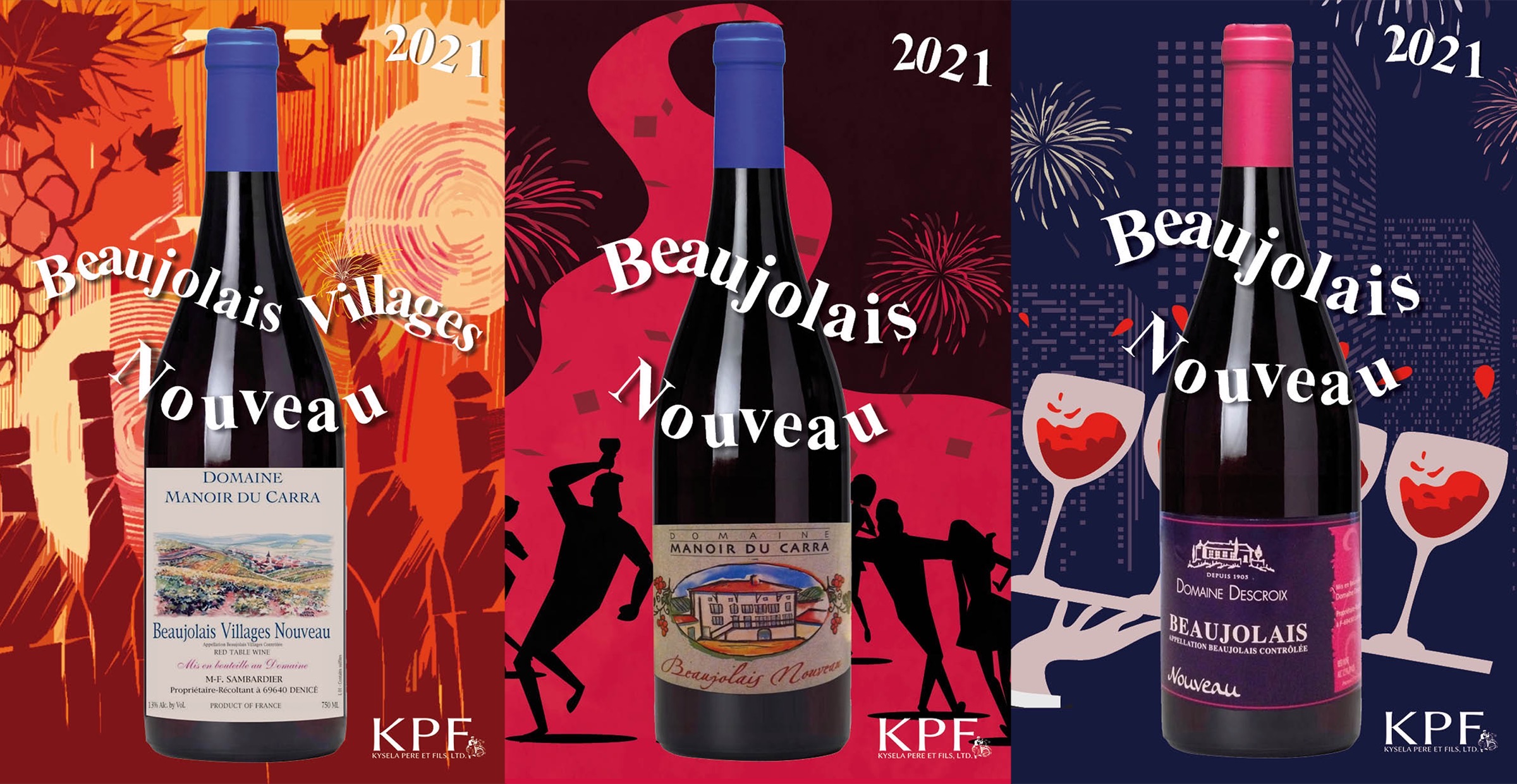
By law and custom, Beaujolais Nouveau is released on the third Thursday of November. The fruit is harvested in early autumn, vinified quickly — often with a strong carbonic or semi-carbonic signature — and bottled to arrive while the vintage is still fresh. The celebration is real: cafés, banners, and the phrase “Le Beaujolais Nouveau est arrivé!” But the date is also a calendar mark for the harvest that has just finished on hills like Juliénas.

Gamay in its most immediate form

Nouveau is Gamay Noir designed for aroma and ease: bright colour, soft tannin, and fruit that jumps from the glass. It is not meant to mimic a structured Cru. Think of it as the region’s first postcard of the year — useful, joyful, and deliberately early. Serve it cool, drink it soon, and do not ask it to age like a Moulin-à-Vent.

Celebration is not the whole map

The party made Beaujolais famous; it also left a stereotype. Many drinkers still meet the region only through Nouveau and miss the ten Crus, where village names and granite slopes shape longer, more serious wines. At Château des Poupets we welcome the festive week — and we keep reminding guests that Juliénas is another sentence entirely.

How Nouveau sits beside Juliénas

Nouveau and a Cru from the same harvest share a grape and a climate, not a job. One is for the toast in November; the other is for the table in spring, autumn, and beyond when the vintage allows. If you visit Les Poupets during Nouveau season, taste both: the young release for perfume, then Juliénas for spice, stone, and finish. The contrast teaches more than any slogan.

Enjoy the party. Then stay for the Crus — where Beaujolais stops being a date on the calendar and becomes a place again.