Château des Poupets

From the estate

Élevage and bottling at the château

After the press, the wine is still a sketch. Winter, vessels, and a careful bottling decide whether Juliénas arrives tense, generous, or built to keep.

Published 11 August 2027

Malolactic: the second quiet fermentation

When the alcoholic fermentation is done, a bacterial conversion usually softens malic acidity into lactic smoothness. In a cool cellar it can take weeks or months. We taste for the moment the wine loses its green edge and gains a rounder mid-palate — without letting it go slack. Juliénas needs freshness; malo should polish, not erase.

Steel, concrete, and a little oak

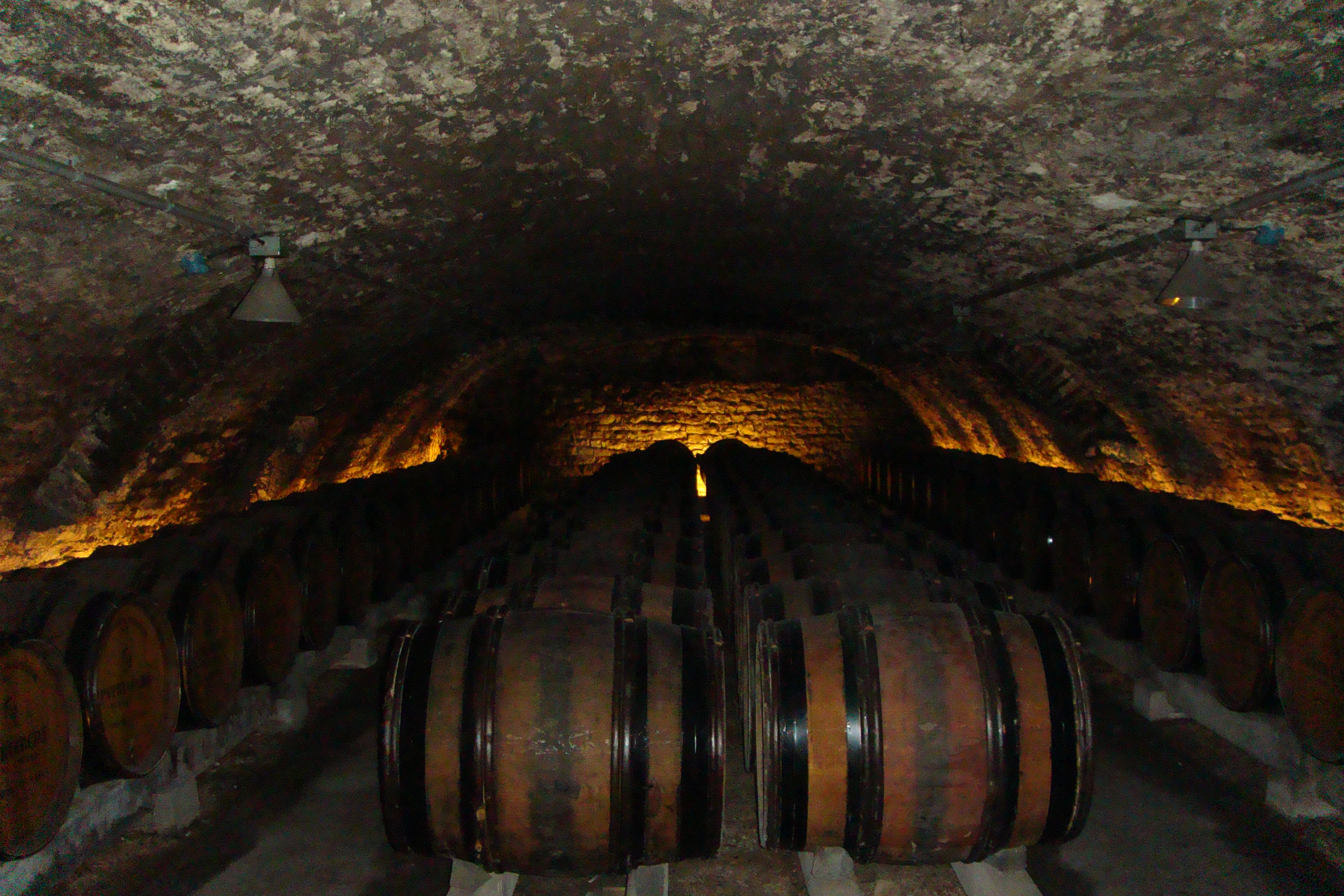
Most Gamay here is raised in tank: stainless steel or concrete keeps fruit precise and lets granite speak. A share of oak — older barrels more often than new — can weave spice and a longer texture into a Cru lot. New oak easily masks Gamay; we use wood as furniture, not as perfume. The vessel is chosen for the cuvée, not for fashion.

Racking, blending, and patience

Racking lifts the wine off heavy lees when clarity and purity need it; leaving it longer can add savour. Assemblage brings parcels and press fractions together into the Juliénas you will drink. We wait until the wine stops tasting like a construction site. Some lots see a first spring bottling; others stay until they have a quieter voice.

Mise en bouteille au château

Bottling at the estate keeps the vintage in our hands until the cork. Timing, sulphur, filtration decisions, and a calm line matter as much as any vat. A bottle shock will hide the wine for a few weeks; then Juliénas comes back — fruit, spice, and the hill. That is the last vinification gesture: not a ceremony, a precise close.

Élevage is how a harvest learns manners. At Les Poupets we raise Juliénas until it can travel — then we put it in glass and let the year speak for itself.