Château des Poupets

From the estate

Granite, schist and clay

The northern Crus rest on rock that drains, warms, and steadies Gamay. Here is why Juliénas tastes of fruit and stone together.

Published 8 July 2026

The north is a different geology

Southern Beaujolais leans toward limestone and the golden stone of the Pierres Dorées. The Crus, further north, sit largely on granite and related crystalline rocks, with veins of schist and pockets of clay. That shift underfoot is why a bottle labelled Juliénas or Morgon feels different from a broad Beaujolais AOC — same grape, another ground.

What the soils give Juliénas

Granite and schist favour drainage and a mineral line in the wine. Clay holds water through dry summers and can add mid-palate weight. In Juliénas these materials often sit together on the same hillside: steeper, rockier faces for freshness and perfume; deeper pockets for flesh. The result in the glass is strawberry and violet over spice and a stony finish — not heavy, but not fleeting either.

Drainage, altitude, and aspect

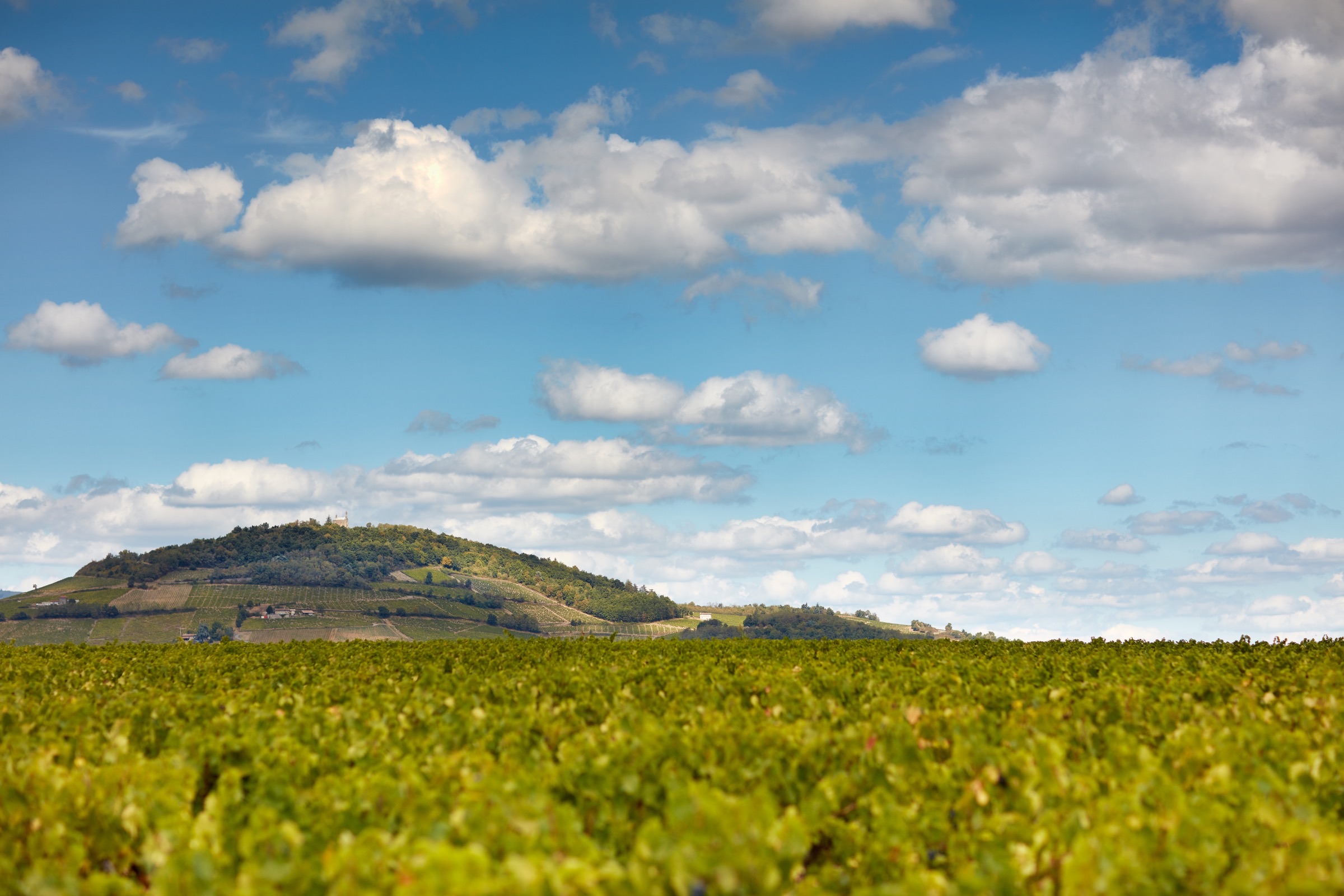
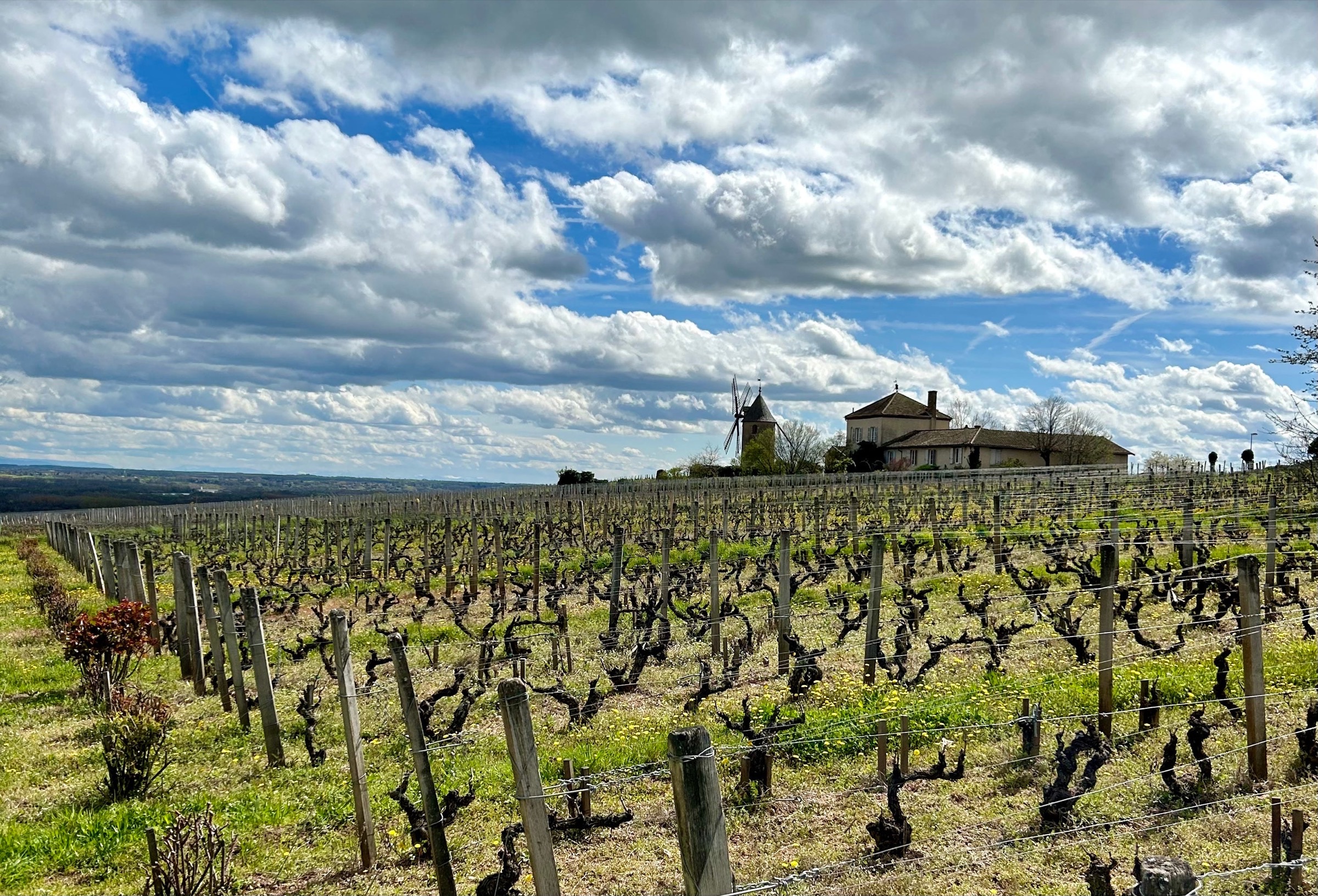
Slope matters as much as rock type. Water that runs off rather than pooling keeps roots searching and bunches healthier. Altitude and exposure decide how early the fruit ripens and how cool the nights stay. From Les Poupets you see why this Cru works: vines on the face catch the sun, air moves along the rows, and the Saône plain lies below like a heat reservoir without smothering the hill.

Reading terroir in the cellar

No soil map replaces tasting. Still, when a Juliénas feels energetic rather than soft, or finishes with pepper and stone rather than candy, you are tasting place as much as method. At Château des Poupets we farm for that clarity — yields, harvest date, and maceration in service of the hillside, not as a costume for it.

Granite, schist and clay are not poetry for the back label. They are why this hill’s Gamay tastes like Juliénas and nowhere else.