Château des Poupets

From the estate

How to serve Beaujolais and Juliénas

Temperature and glass shape Gamay as much as food does. A few habits keep Juliénas clear, fragrant, and alive at the table.

Published 9 December 2026

Aim for 13–15°C

Juliénas and most Cru Beaujolais prefer a light chill — cooler than a heavy Bordeaux, warmer than a fridge-cold white. Around 13–15°C keeps fruit bright and tannin polite. If the bottle feels warm from the kitchen, twenty minutes in a cool spot or an ice bucket with water (not only ice) brings it back. Nouveau can sit even cooler; a structured older Cru can climb toward the top of that range.

Glassware that lets perfume rise

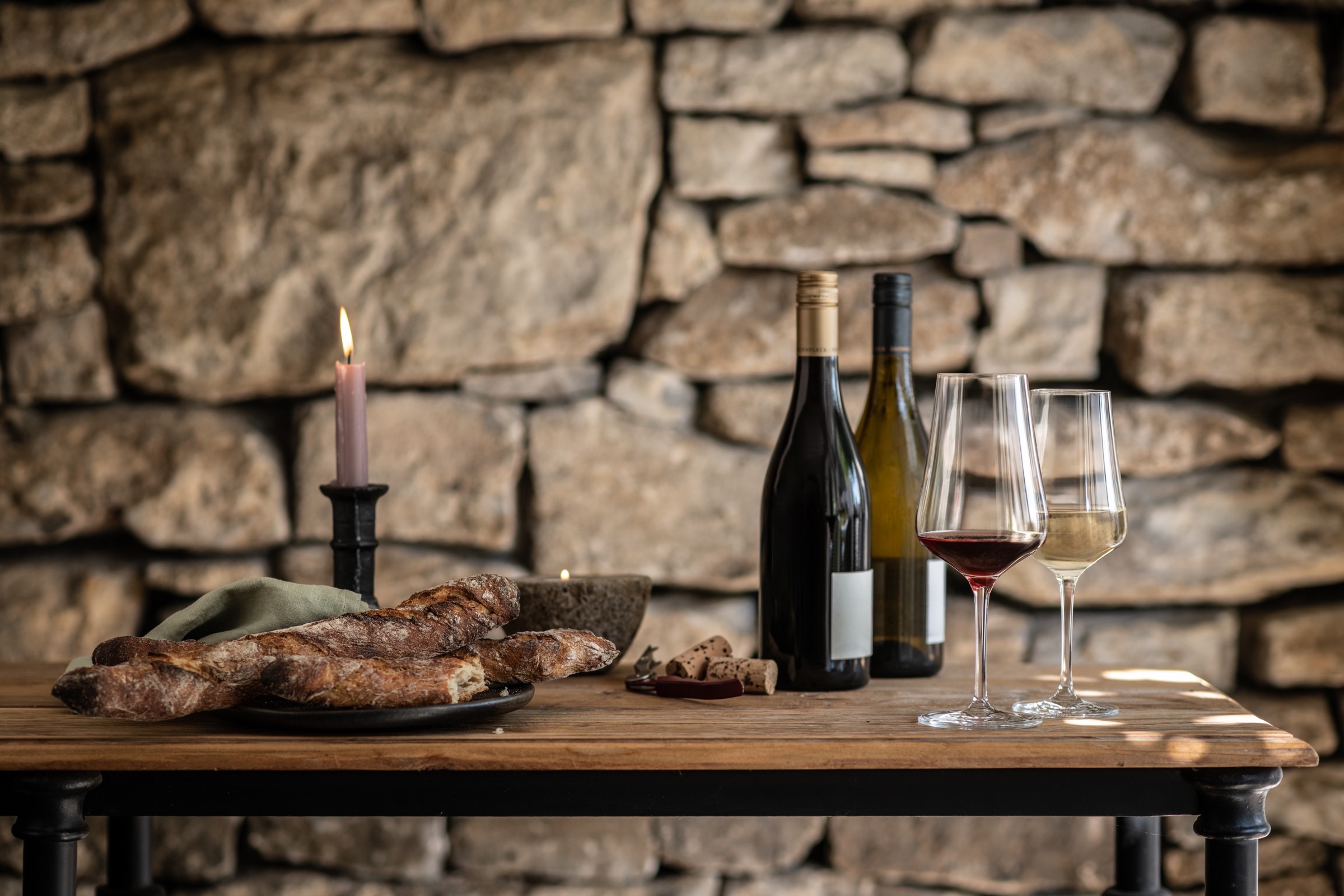
Use a glass with a bit of belly and a rim that narrows slightly — not a tiny tasting thimble, not an oversized bowl meant for powerful Syrah. Clear glass beats coloured stems for judging ruby hue. One good shape for red is enough; you need not own a “Beaujolais-only” suite.

Decanting: sometimes, not always

Young, aromatic bottles often need only opening as you sit down. A more structured Juliénas, or a Cru with reductive tightness, can benefit from a short decant — twenty to forty minutes — to wake spice and length. Older bottles may need gentle decanting to leave sediment behind. If the wine already smells open and generous, pour and enjoy.

Common mistakes

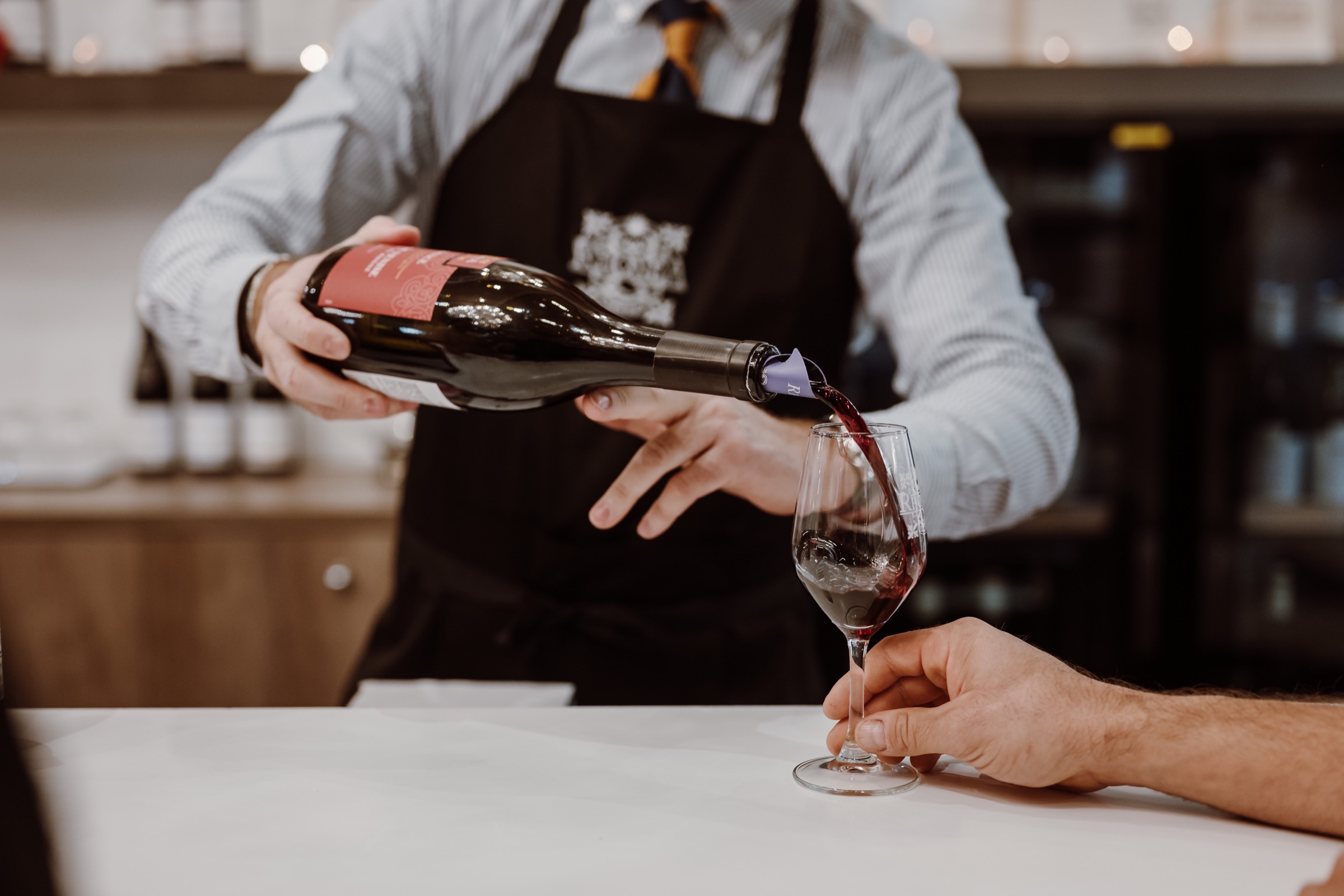
Serving too warm flattens freshness into alcohol heat. Serving ice-cold mutes perfume. Oversized pours warm in the hand before the meal ends. Heavy oak-smoked glassware or strongly scented candles fight the wine. And pairing only with “light” food underestimates Juliénas — it belongs with duck, mushrooms, and the Lyonnais table as much as with a picnic.

Cool enough to stay vivid, generous enough in the glass — that is most of Beaujolais service done well.