Château des Poupets

From the estate

Pierres Dorées, Little Tuscany of Beaujolais

South of the Crus, villages glow with ochre stone. A day among the Pierres Dorées pairs beautifully with a morning tasting in Juliénas.

Published 11 November 2026

Why the stones look golden

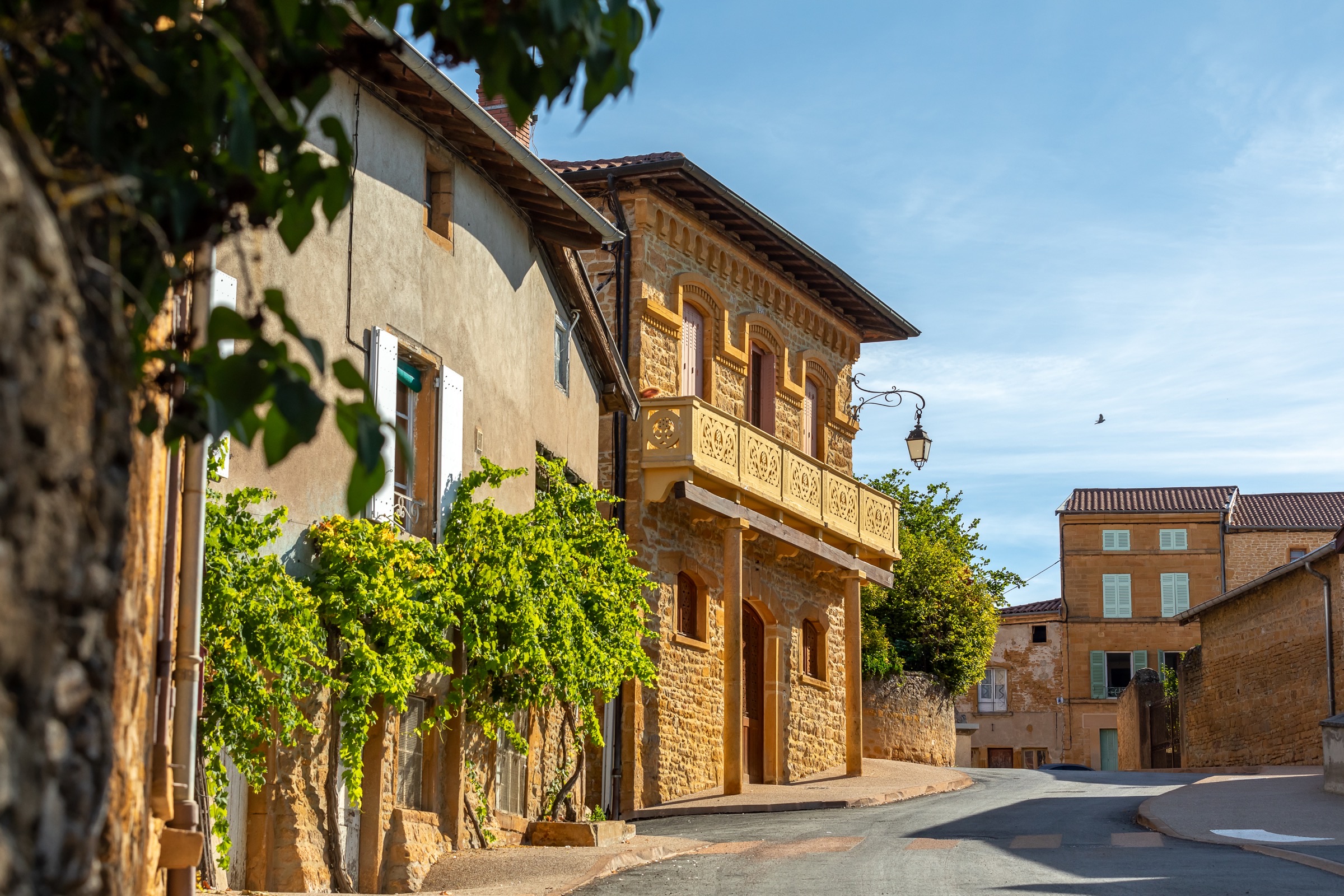
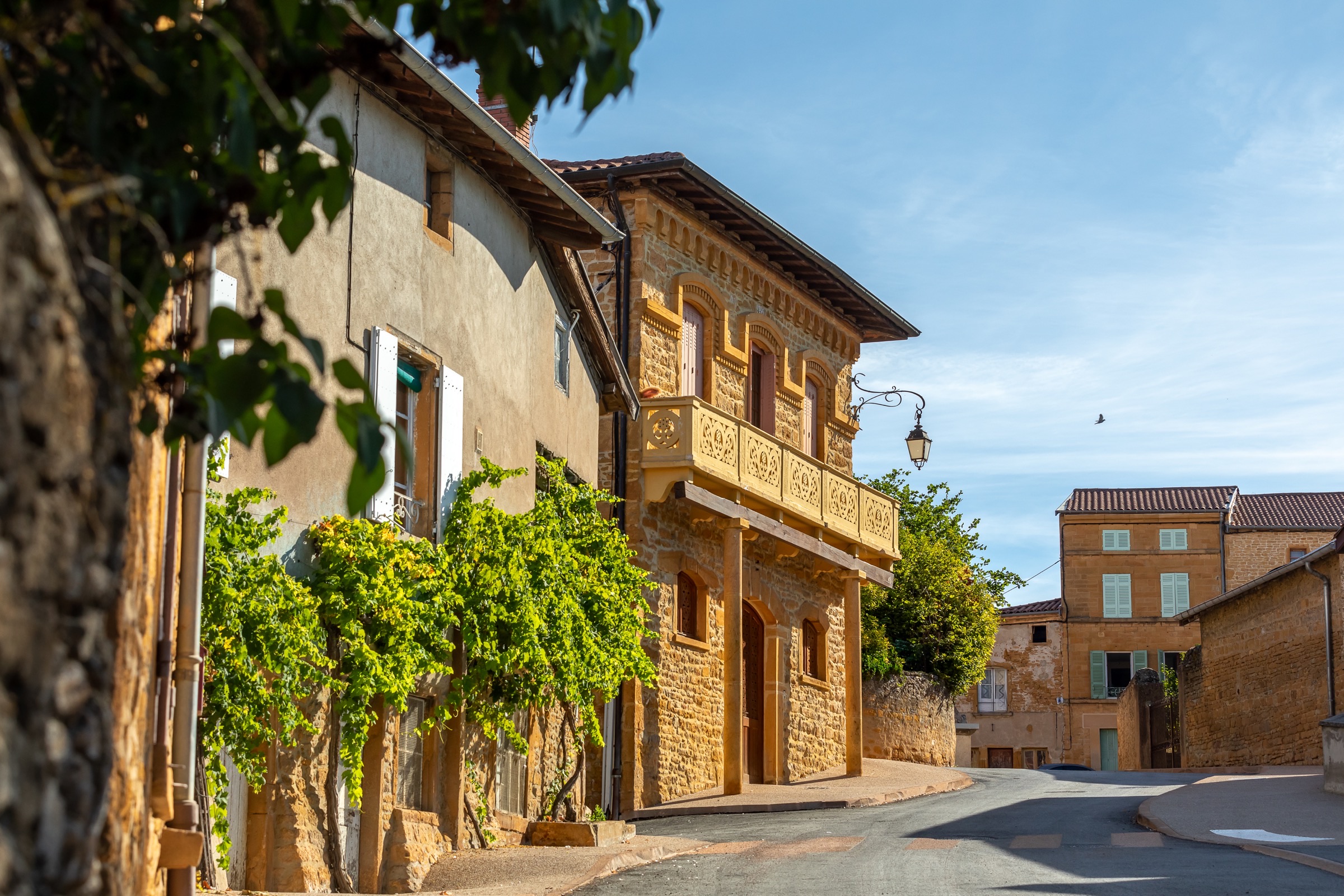
The Pierres Dorées — “golden stones” — take their colour from limestone rich in iron oxide. Houses, churches, and ramparts catch the light in warm ochre and honey tones, which is why travellers liken the area to a Little Tuscany of Beaujolais. Geologically it is another Beaujolais: softer hills than the granite north, and a landscape built for wandering as much as for tasting.

Oingt, Theizé, and village time

Oingt, ranked among France’s most beautiful villages, rewards a slow climb through lanes and viewpoints. Theizé and neighbouring hamlets offer the same golden fabric without the thickest crowds if you arrive early. Pause for coffee, a bakery stop, and photographs — this half of the day is about place and pace, not a dozen cellar appointments.

A day trip from Juliénas

From Château des Poupets the Pierres Dorées are an easy drive south — plan roughly forty-five minutes to an hour depending on your first village and traffic. Taste Juliénas in the morning, lunch on the hill or in a golden-stone square, then return north for supper at the château. The contrast teaches the region’s two faces: Crus of rock and perfume, villages of light and limestone.

Wine on the golden side

You will still find Gamay and Beaujolais bottles in the south, often in a softer, earlier-drinking register than a structured Juliénas. Buy what you enjoy; keep your serious Cru purchases cool for the drive home. The Pierres Dorées are not a lesser Beaujolais — they are a different chapter of the same book.

See the golden villages once, and the map of Beaujolais widens. Return to Les Poupets, and the granite north feels even more itself.