Château des Poupets

From the estate

Whole bunches, from vine to vat

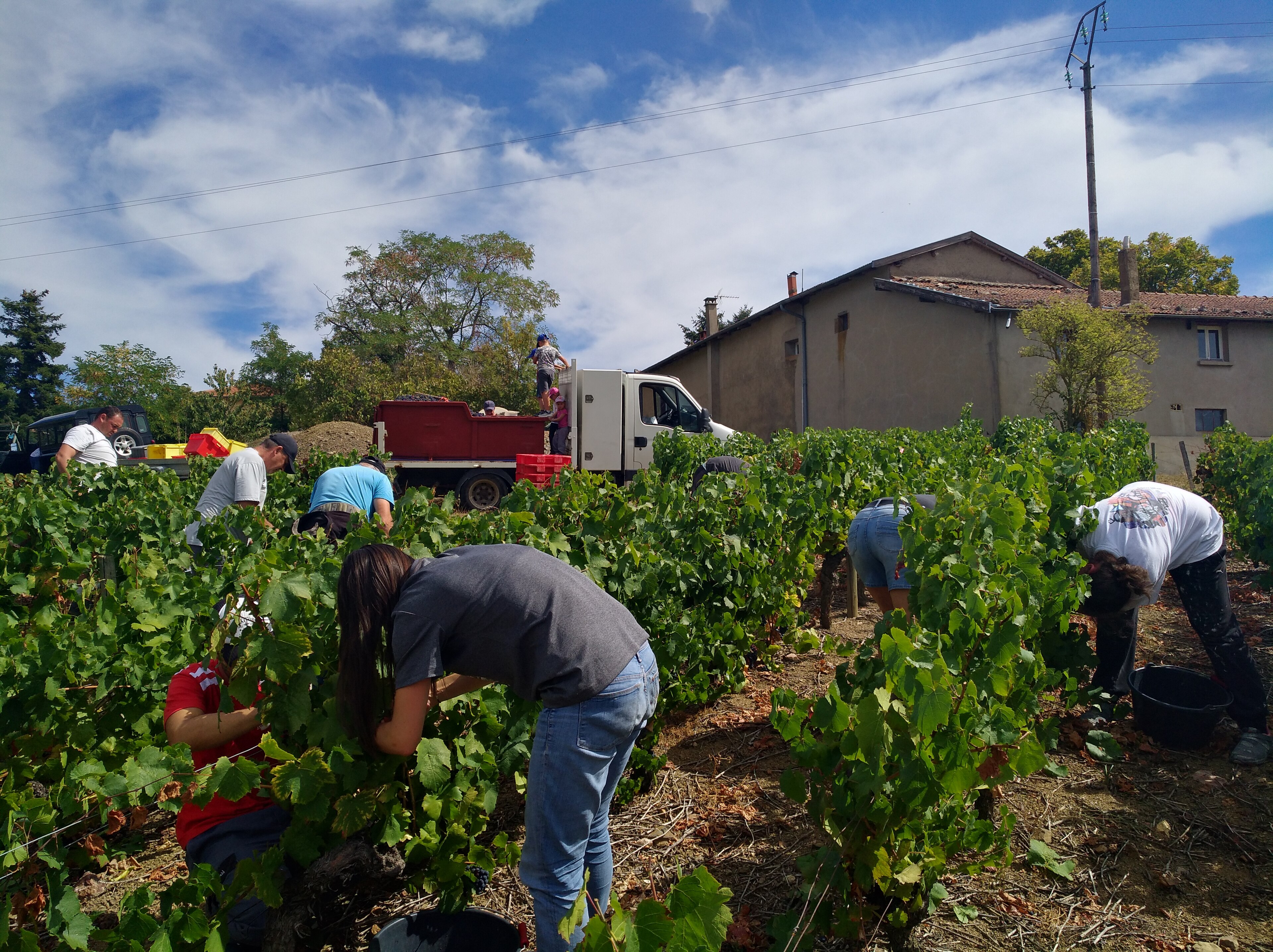
Carbonic maceration needs intact fruit. That is why these slopes are still a landscape of secateurs, crates, and clusters that arrive whole.

Published 12 May 2027

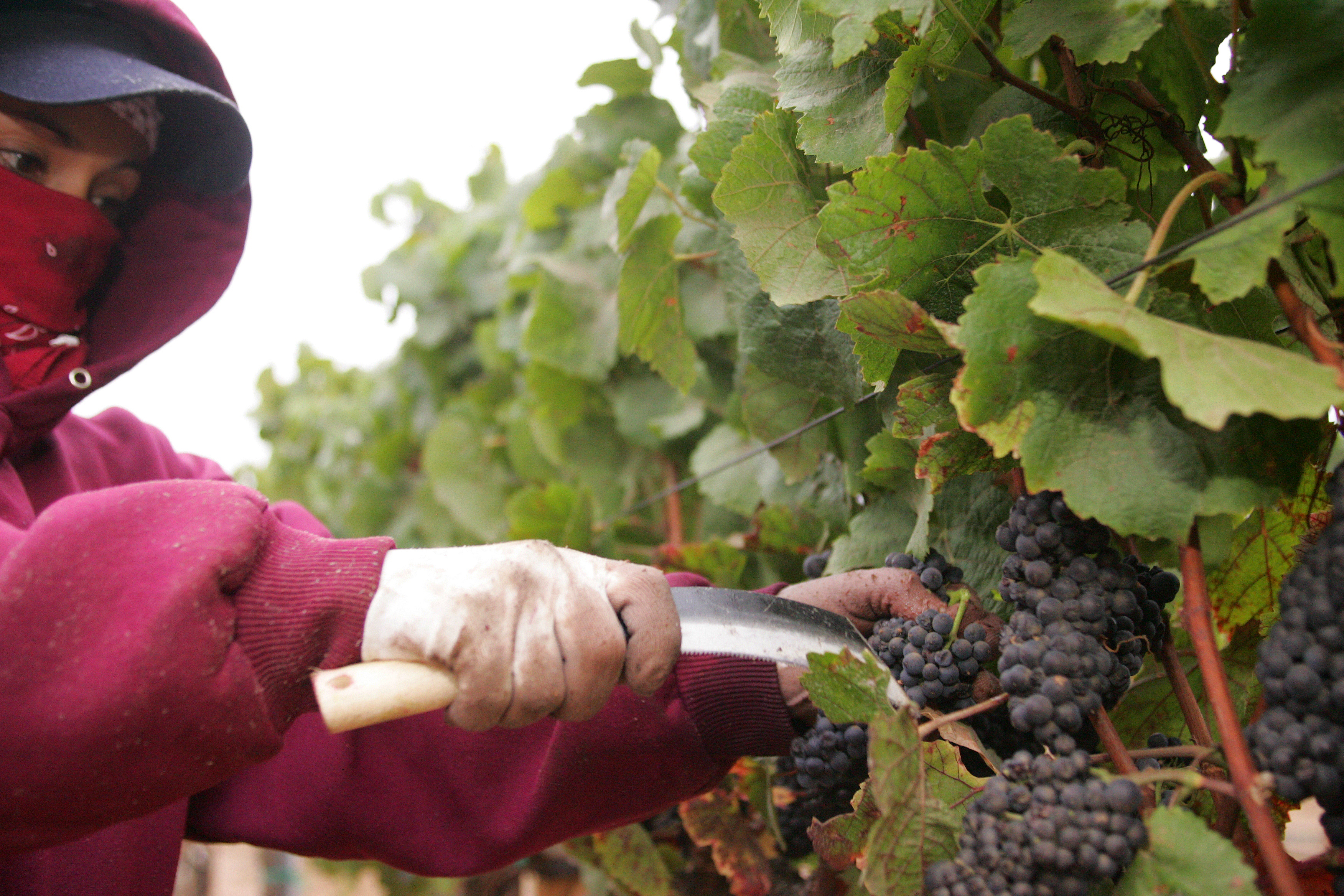
Hands protect the berry

Machine harvest shakes fruit from the vine and breaks many berries on the way. For Nouveau and for many Crus, we want grapes that still hold their juice until they are in the vat. Hand picking lets us cut clean bunches, leave unripe or damaged fruit, and carry Gamay without turning the row into a crush. On Juliénas slopes the machine is also a poor fit for the ground.

What the stem is doing

A whole bunch is berries plus the rachis. In the tank, stems can add spice, a little tannin, and a herbal lift when they are ripe; green stems can taste like stalk and sap. That is why ripeness of wood matters as much as ripeness of pulp. Some cuvées keep every cluster intact. Others destem a share to soften the profile or to manage a year when the stems lag behind the fruit.

Filling the vat without a mash

Crates come to the cellar and tanks are filled with whole clusters, sometimes after a last sort. Gravity and the weight of the load crush only the bottom layer; above that, berries stay closed. That architecture is the start of semi-carbonic work. Destemmed fruit behaves differently: more juice at once, more conventional fermentation, a different tannin conversation. Both can make Juliénas; they do not make the same Juliénas.

A choice, not a dogma

Whole-bunch vinification is a Beaujolais habit because it suits Gamay’s perfume and thin skins. It is not a law. In a very ripe year we may keep more stems; in a tense year we may destem more. Guests who visit during harvest often remember the smell of intact bunches in the yard — the vintage still looking like fruit, not yet like wine.

Keep the bunch whole when the fruit and the stems agree. Break it when they do not. The vat will tell the truth either way.